
Walking onto a live floor changes everything compared to clicking through an app. The noise, the pace, and the people around the felt all matter more than most newcomers expect. Good roulette table etiquette tips help you keep the game moving without drawing the dealer’s eye for the wrong reasons. It is not about being stiff; it is about reading the room and knowing when to act.
Read the Room Before You Buy In

The first mistake many players make is dropping chips onto the layout without checking what is already in play. A live table has its own rhythm, and interrupting a winning spin to sort your stack is the fastest way to annoy the croupier and the players beside you. Watch one full rotation from the rail before you place a marker. If the table is busy as a Saturday arvo at a regional New South Wales club, keep your bets simple and your hands clear of the dealer’s workspace. The dealer needs a clean line to the wheel, and leaning over the layout while they are calling numbers slows the whole game down.
There is a practical reason for this discipline beyond politeness. In my experience building automated betting workflows, the difference between a clean signal and a noisy one comes down to timing and spacing, and a roulette table runs on the same principle. When you wait for the dealer to invite bets and keep your chips in the tray until that moment, you remove friction from the spin. That is the kind of judgement call I apply when I review prediction market infrastructure: the system only works when every participant respects the handoff window.
A few small habits separate a smooth session from a clumsy one:
- Keep your betting area clear of drink coasters, phones, and loose coins.
- Wait for the dealer to sweep the table before stacking new chips.
- Place markers gently rather than tossing them onto the felt.
If you are comparing a live floor to an app experience, it helps to understand how the same operator handles the digital side. Gates of Olympus slots AU keeps its promotional structure separate from the table game floor, so a player moving between the two should expect different rules around bet timing and bonus eligibility rather than one unified flow.
Chips, Cages, and Cash Handling on the Floor
Money moves differently at a live table than it does behind a screen. The cage is the casino’s central cashier, where chips are exchanged for money, and understanding that distinction saves you a trip back and forth during a session. Buy your colour-in chips at the table only when the dealer is between spins, and never hand cash directly to the croupier while bets are open. If you need to move a larger amount, head to the cage first and bring coloured chips to the layout. That keeps the table clean and avoids the awkward pause that happens when a player digs for notes mid-spin.
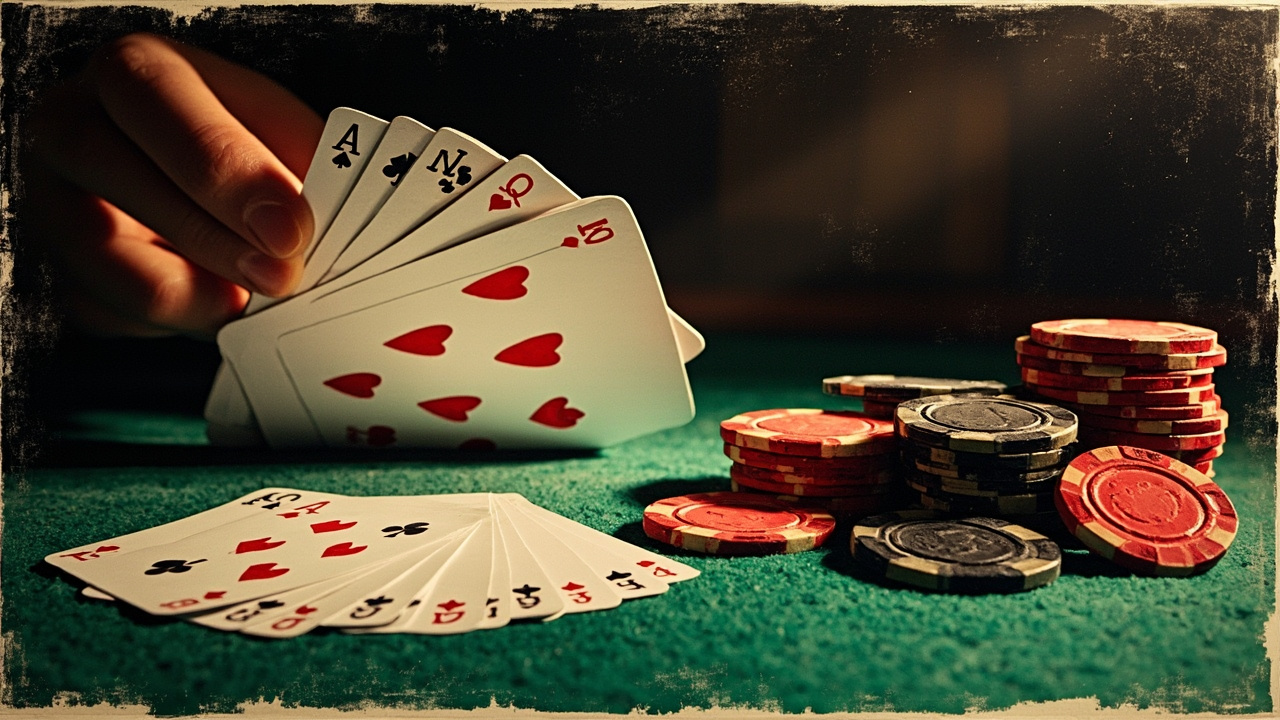
Payment flow on the floor is slower than an app cashier, and that is a feature, not a bug. The physical exchange gives you a moment to check your stack and confirm the denomination before you commit. For players who also use digital channels, the same operator tends to keep currencies and verification steps consistent across the cashier, but the timing and limits can differ between the live cage and the online deposit screen. Treat the two as separate workflows and you will not be caught expecting an instant app-style settlement while standing at the rail.
A few cash-handling points worth keeping in mind:
- Exchange cash at the cage or during a clear break in the action.
- Confirm chip colour and value before you place a bet.
- Keep winnings separate from your playing stack so you can track your session.
If you have ever handled used casino dice, you will know that used casino dice are often cancelled and sold as souvenirs, which is a useful reminder that physical gaming equipment carries its own handling rules and history. The same mindset applies to chips: treat them as marked value, not loose currency, and the table stays orderly.
Reading the Dealer and the Neighbours at Your Table
The dealer is the pace-setter, and the neighbours around your seat set the tone. A calm table usually stays calm, while a crowded one can turn fussy if someone keeps reaching across the layout or calling out numbers late. If you are new to the floor, take the seat that gives you a clear view of the wheel and the dealer’s hand rather than squeezing in beside a player who is already deep in a betting pattern. That positioning makes it easier to see when the dealer is calling for no more bets and when the marker is about to go down.
This is where discipline matters most. In the automated sports workflows I have built, the rule is always the same: the handoff window is fixed, and anything that crosses it creates errors. A roulette table works the same way. When you respect the dealer’s call, keep your voice down, and avoid leaning across a neighbour’s betting area, you keep the spin clean and the game moving. That is not about being formal; it is about not becoming the reason the table slows down.
A few neighbour-aware habits help keep things smooth:
- Leave a clear gap between your markers and the next player’s chips.
- Keep conversation low during the spin and the call.
- Let the dealer manage the layout rather than rearranging chips yourself.
For players weighing a live session against a digital one, the same operator tends to keep support and verification steps consistent across channels, but the pace and the social rules on the floor are their own thing. Treat the table as a shared workspace and you will fit in faster than you expect.
Bringing It Back to Your Own Session
The real test of any roulette table etiquette tips is whether they help you stay focused on your own decisions instead of the noise around the felt. If you buy in cleanly, respect the dealer’s timing, and keep your stack organised, you give yourself a better chance to play your game without distraction. That is the kind of discipline that carries across formats, whether you are at a regional club table or moving between channels on the same operator’s floor.
Play with the same care you would bring to any money-handling workflow: check the value, respect the handoff window, and do not let a busy room rush your bets. A calm table and ice-fishing-online-au.com a clear head are worth more than any shortcut you might be tempted to take.https://gates-of-olympus-slots-au.com

Comments are closed